


Porto’s Next Chapter: The Case for Boutique Hotel Investment
By Patrick Saada
December 2022
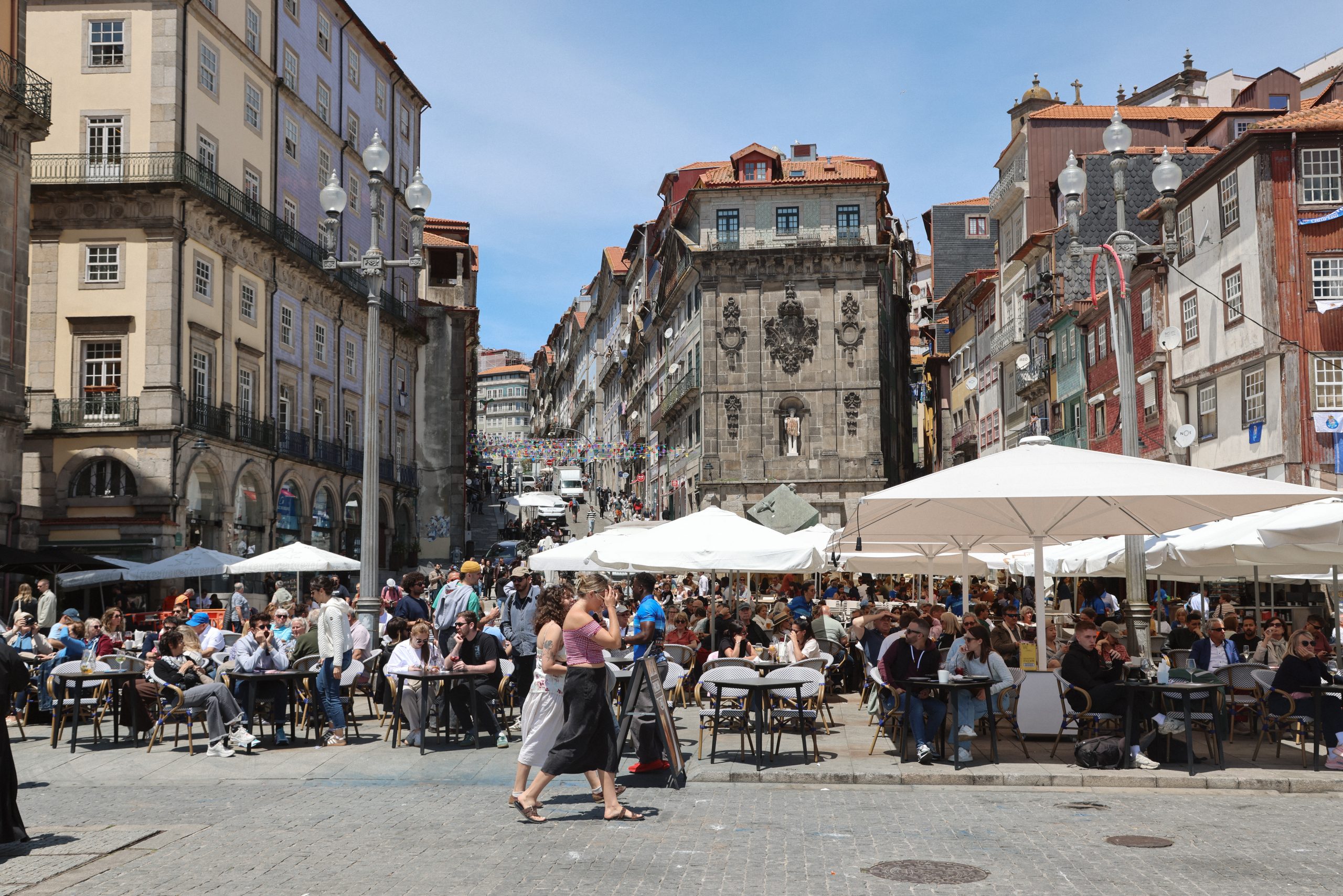
Porto has been on the radar of international travellers for years, but over the past decade it has evolved from a regional gem into a significant European destination.
Its appeal lies in a combination of old-world character and new-world opportunity. Porto’s UNESCO World Heritage status, internationally recognised wine culture and growing reputation as a creative and technology hub have contributed to rising visitor demand. Yet its hospitality market has not reached the saturation seen in some larger European cities, creating a compelling opportunity for investors.
A City with Room to Grow
Porto offers many of the characteristics we look for in a hospitality market: a strong identity, growing international demand and historic buildings capable of being sensitively converted into distinctive hotels.
Travellers are increasingly looking beyond the traditional European capitals. Many have already visited London, Paris or Barcelona and now want destinations that feel different, authentic and culturally rich. Porto responds naturally to that shift, offering the depth of a major European city while retaining a sense of discovery.
Compared to more mature European cities, acquisition costs also remain relatively accessible. For investors prepared to identify the right building in the right location, there is an opportunity to create long-term value.
The Boutique Hotel Advantage
Porto’s hotel market is still weighted towards traditional accommodation, leaving room for boutique properties offering personalised service, thoughtful design and experiences that reflect the city. Travellers increasingly want their hotel to be part of the destination rather than simply somewhere to sleep. In Porto, that means responding to its historic riverfront, architectural heritage, culinary culture and contemporary creative scene.
Adaptive reuse can play an important role. Restoring and repurposing existing buildings enables investors to preserve Porto’s historic urban fabric while introducing the comfort, technology and service standards expected by modern travellers. Done well, a hotel can stand out commercially and contribute to the preservation of the city’s heritage at the same time.
This is central to our investment model at Bohopo. We acquire and reposition underutilised city-centre real estate, transforming individual properties into high-quality boutique hotels. Porto is well suited to that strategy.
Strong Year-Round Demand
While Porto is known for summer tourism, its appeal extends beyond the warmer months. Cultural festivals, wine tourism, gastronomy, and a growing business and technology sector help sustain demand throughout the year. Its accessibility from other European markets also makes it attractive for city breaks outside the traditional peak season.
For investors, this broader demand profile can support occupancy across different seasons and customer groups. Careful underwriting or strong operations remain essential, but the market offers a more resilient foundation than one dependent on a narrow summer window.
The Importance of Scale and Discipline
Boutique hotels can offer compelling investment characteristics, but smaller properties also present operational challenges. A single hotel of 20 to 50 rooms may not provide the scale typically sought by institutional investors. The opportunity therefore lies in aggregating carefully selected assets into a diversified and professionally managed platform. Bohopo’s intention is to invest and operate several Boutique Hotels in Porto and exploit clustering benefits, both on the revenue and the cost sides.
The objective is to combine the individuality of smaller boutique hotels with the institutional discipline of a larger platform. Careful market selection, rigorous asset management, architectural restoration, operational efficiency and tailored positioning are central to that model. A clustered portfolio also enables shared expertise and systems to improve performance without sacrificing what makes each property different.
A Strategic Window for Investors
Porto combines the heritage and recognition of a key European city with strong tourism fundamentals and further room for expansion within the boutique hotel market. However, success still depends on being selective. A historic building alone will not guarantee demand: location, building quality, operating strategy and a differentiated guest experience all matter.
As Porto’s international profile grows, we expect it to become an increasingly important market for boutique hospitality investment. Investors able to combine local understanding with disciplined execution can create hotels that are commercially resilient, relevant to modern travellers and meaningfully connected to their surroundings.
Patrick Saada is Bohopo’s Co-Founder, Non-Executive Chairman of the Board and Chairman of the Patrick Saada Family Office.

© 2026 Bohopo. All rights reserved.
GET IN TOUCH
HEAD OFFICE
11 Kyriakou Matsi Avenue
Nikis Center, 7th Floor, Office 702
1082, Nicosia, Cyprus