Beyond the Building: Why Belonging Matters in Boutique Hospitality
By Patrick Saada
September 2026
The European boutique hotel market presents a compelling opportunity for investors and entrepreneurs. But creating a successful hotel takes more than capital or an attractive building. It requires an understanding of people, place and the experiences that make guests want to return.
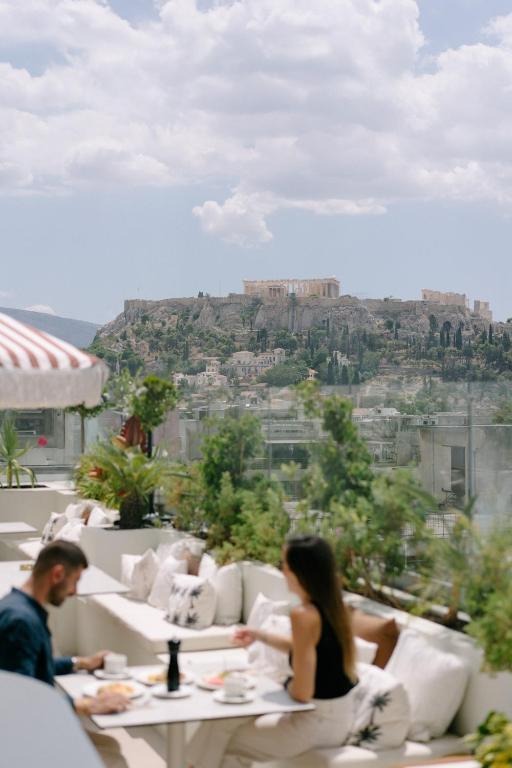
The most successful boutique hotels do more than provide accommodation. They create a sense of connection – to the building, to the neighbourhood and to the city around them.
Focus on Meaning, Not Trends
Hospitality is an industry in which trends can move quickly, especially when it comes to design. But following the latest aesthetic does not necessarily create a hotel with lasting appeal.
Authenticity matters more. A successful boutique hotel should feel considered and relevant to its surroundings, rather than designed according to a formula that could be replicated anywhere.
The objective is not simply to create an attractive space, but one in which guests feel comfortable, connected and inspired. Design has an important role to play, but it works best when it responds to the character of the building, its location and the people who will use it.
Finding Potential in Overlooked Buildings
Some of the most interesting hospitality opportunities can be found in buildings that, at first glance, appear tired, underutilised or unsuitable.
Across European cities, there is a significant stock of existing real estate that combines architectural character with prime locations, but which requires investment, repositioning and a clear vision for its future use.
This is central to our approach at Bohopo. We acquire and reposition underutilised city-centre properties, looking beyond their existing condition to understand what they could become. The aim is to uncover the character of each building and use that as a starting point for the design and guest experience, rather than imposing a standardised concept upon it.
Adaptive reuse also provides an opportunity to retain elements of a city’s existing urban fabric while giving buildings a commercially viable new purpose.
Working with the Right People
Creating a successful boutique hotel is a collaborative process: investors and operators may set the strategy, but bringing an individual property to life requires the expertise and perspective of many different people.
Architects, designers, contractors, local partners and operational teams all play an important role. Understanding the neighbourhood and engaging people with strong knowledge of the local market can be just as important as decisions made at a corporate level.
For me, the balance is important: maintaining disciplined investment and operational standards while enabling individual properties to respond to their location.
Boutique Hospitality is a Long-Term Commitment
Building a property that guests remember, recommend and choose to revisit requires consistency over time. The opening of a hotel is only the beginning. Its long-term performance depends on the quality of its operations, the strength of its positioning and its ability to continue meeting the expectations of travellers as those expectations evolve.
This is particularly important for smaller hotels, where individuality can be a commercial advantage but disciplined operations remain essential. Combining distinctive properties within a professionally managed platform not only helps preserve that individuality but also creates the scale, systems and expertise required for long-term performance.
The Importance of Human Connection
Ultimately, hospitality is about how a place makes people feel.
Guests may value good design, comfortable rooms and efficient service, but their lasting impression is shaped by the overall experience – whether they felt welcome, whether the hotel reflected the city they came to visit and whether their stay felt distinctive.
That human element sits alongside the investment fundamentals of boutique hospitality. The strongest properties can combine both: creating memorable experiences for guests while operating as well-managed, commercially resilient assets.
For me, this is an important part of the opportunity presented by Europe’s urban boutique hotel market. Thoughtful design, local character and disciplined operations can give underutilised buildings a new purpose – creating hotels that belong to their surroundings, resonate with guests and deliver sustainable performance over the long term.
Patrick Saada is Bohopo’s Co-Founder, Non-Executive Chairman of the Board and Chairman of the Patrick Saada Family Office.